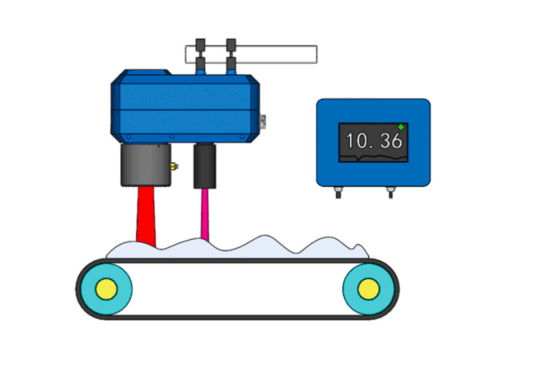
A simple selection guide based on installation method, material type, penetration depth, and process goals.
NIR and microwave methods solve different measurement problems, so the right choice usually depends more on installation conditions than on marketing language. A practical way to start is to ask what part of the material you need to measure and how the material is presented.
NIR is often a good fit when you want non-contact measurement from above the product, especially on powders, granules, or exposed material surfaces. It works well when the goal is fast inline feedback without touching the product and where a sight-glass or clear measuring path is available.
Microwave measurement becomes attractive when penetration depth matters more, such as on thicker bulk layers, denser material beds, or conveyor applications where surface-only information is not enough.
You should also compare the moisture range, available installation space, environmental conditions, and how the signal will be used. Some projects only need a local display, while others need RS232, 4-20mA, Ethernet, or plant-level integration.
In many real projects, the best next step is not choosing from a brochure alone, but reviewing the exact material, moisture target, installation distance, and control objective together before final selection.